
Case Study:
the dungeon
Role:
ui design & system structure
Timeframe:
12 weeks
Tools:
Illustrator & Figma
the brief
Design the UI/UX for the core interface systems of a retro-inspired dungeon crawler game. The objective was to create an intuitive user experience that captured the nostalgic aesthetic of classic dungeon crawler RPGs while improving accessibility and usability for modern players.
research foundation
The project began with visual research and gameplay analysis of classic dungeon crawler RPGs to understand established interface conventions, inventory systems, navigation patterns, and player interactions. This research was supported by playtesting multiple games within the genre to identify opportunities for improving usability without compromising the nostalgic experience.
These insights informed the information architecture, player flow, and overall interface hierarchy before any visual design work commenced.
process highlights
interface layout & player flow
The player flow established the foundation of the project by mapping how users move between gameplay and supporting interface systems. Creating this structure early ensured interactions remained logical, consistent, and intuitive as additional systems were introduced throughout development.
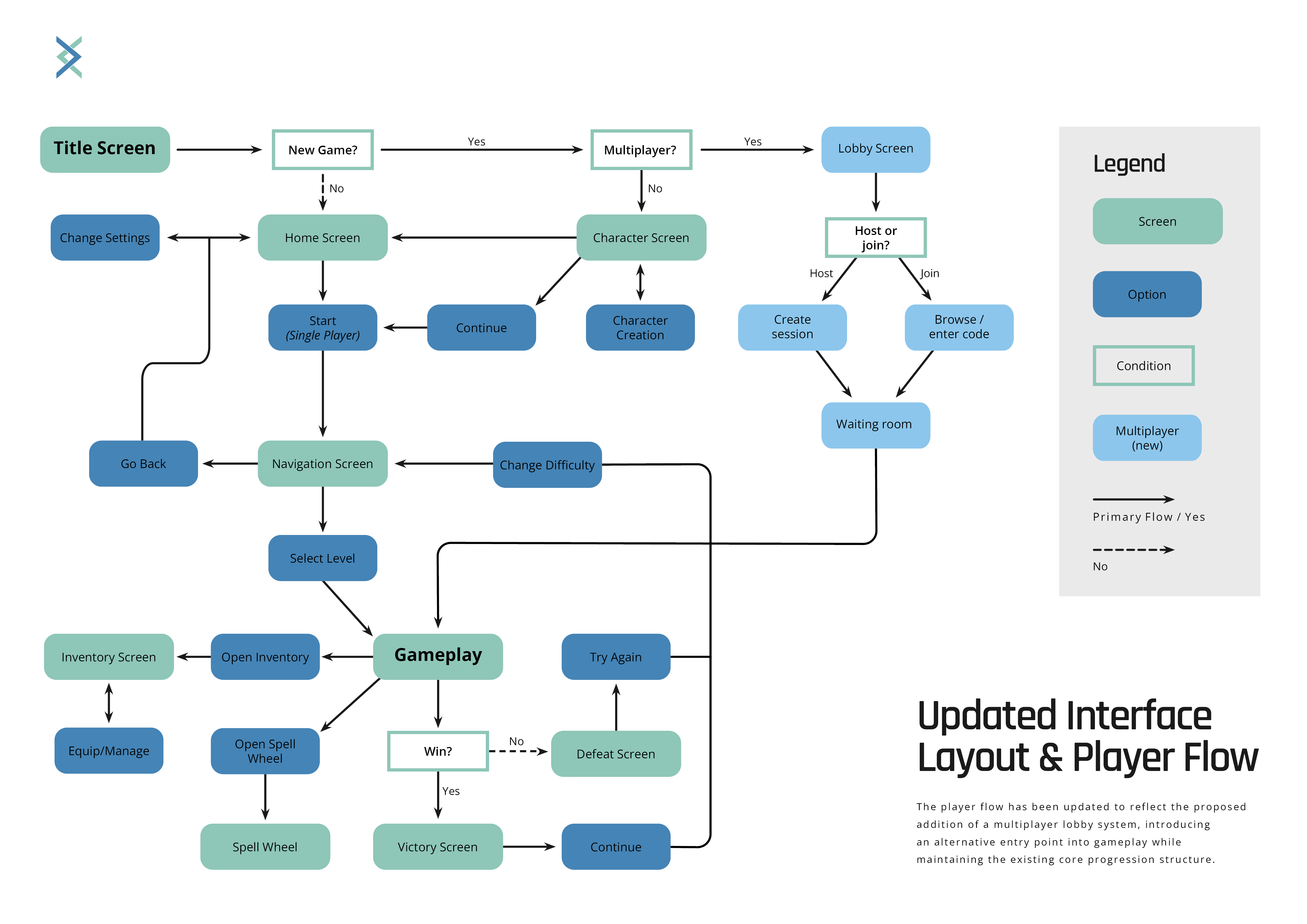
Final Interface & Player Flow
title screen logo
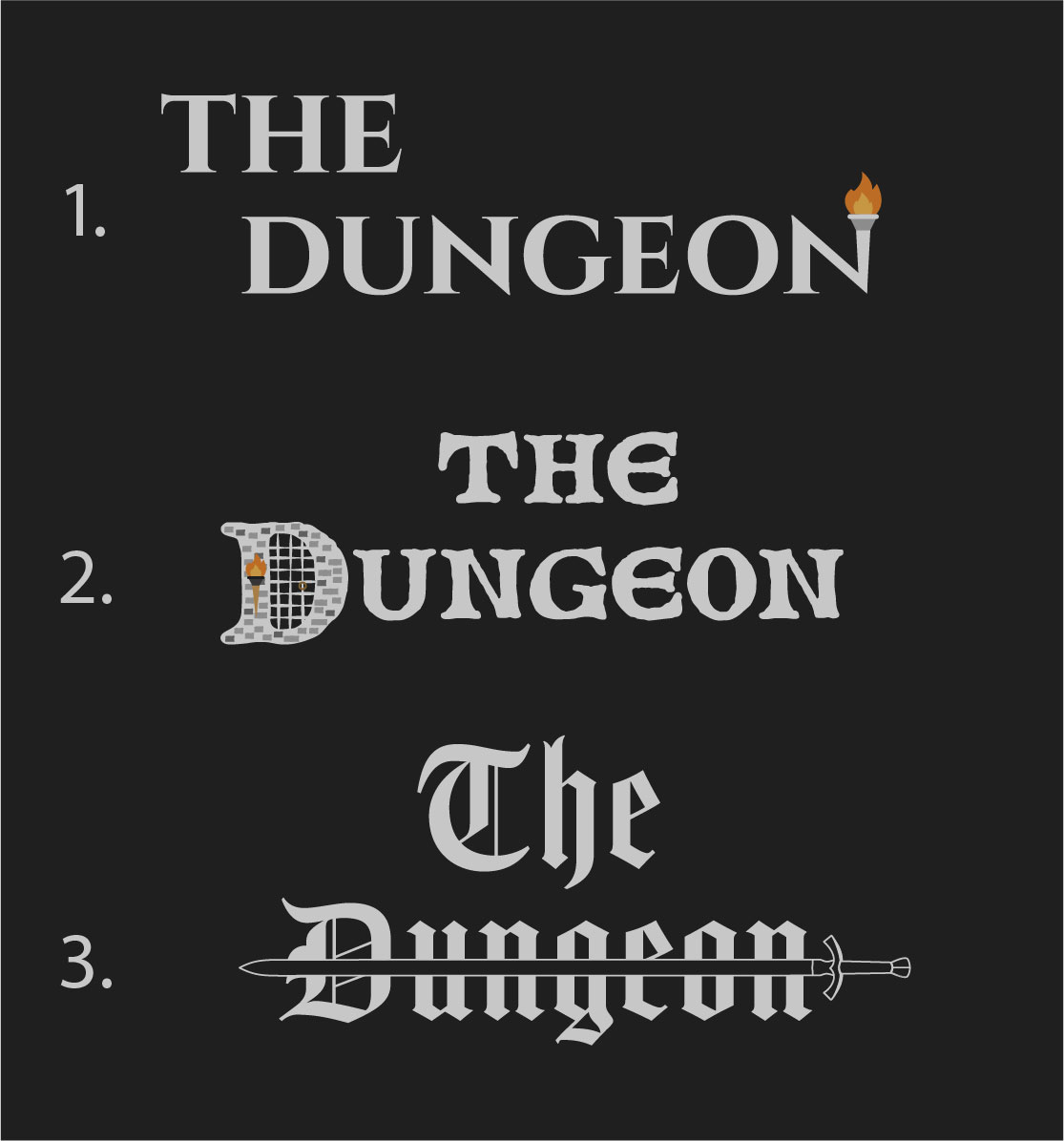
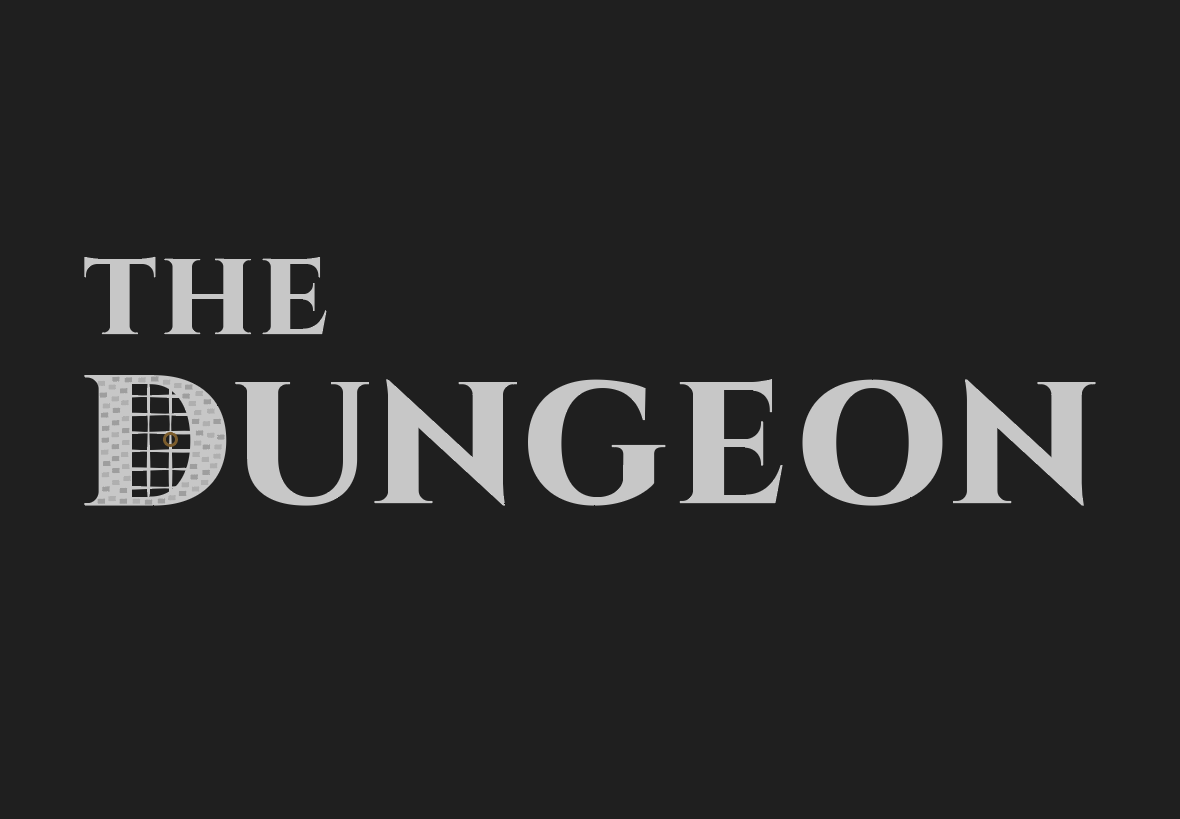
Several title screen concepts were explored before refining the final direction through stakeholder feedback. The selected logo combines a classic serif typeface with a subtle dungeon door integrated into the letter D, creating a recognisable identity that reflects the game's fantasy setting while maintaining readability.
wireframes
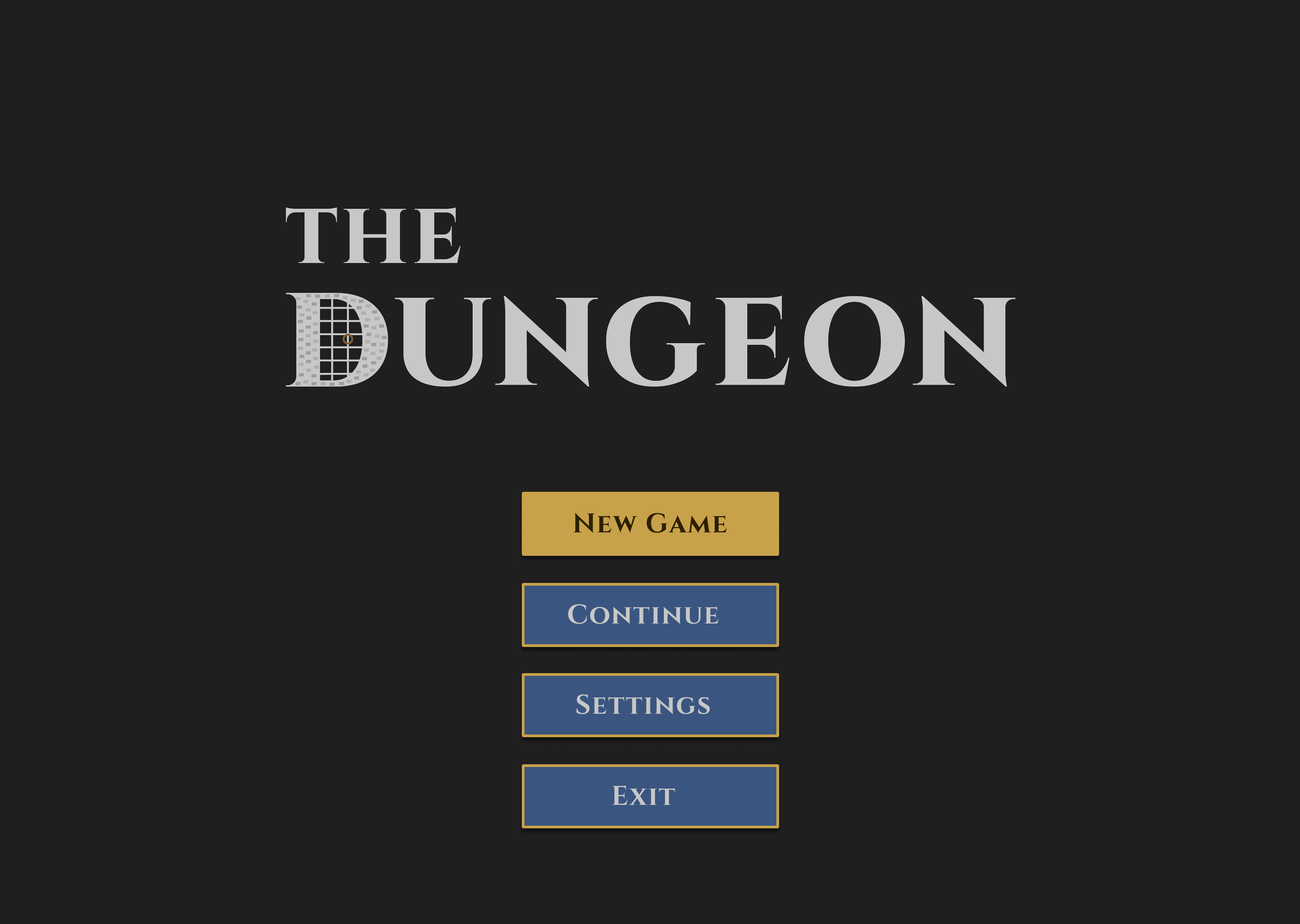
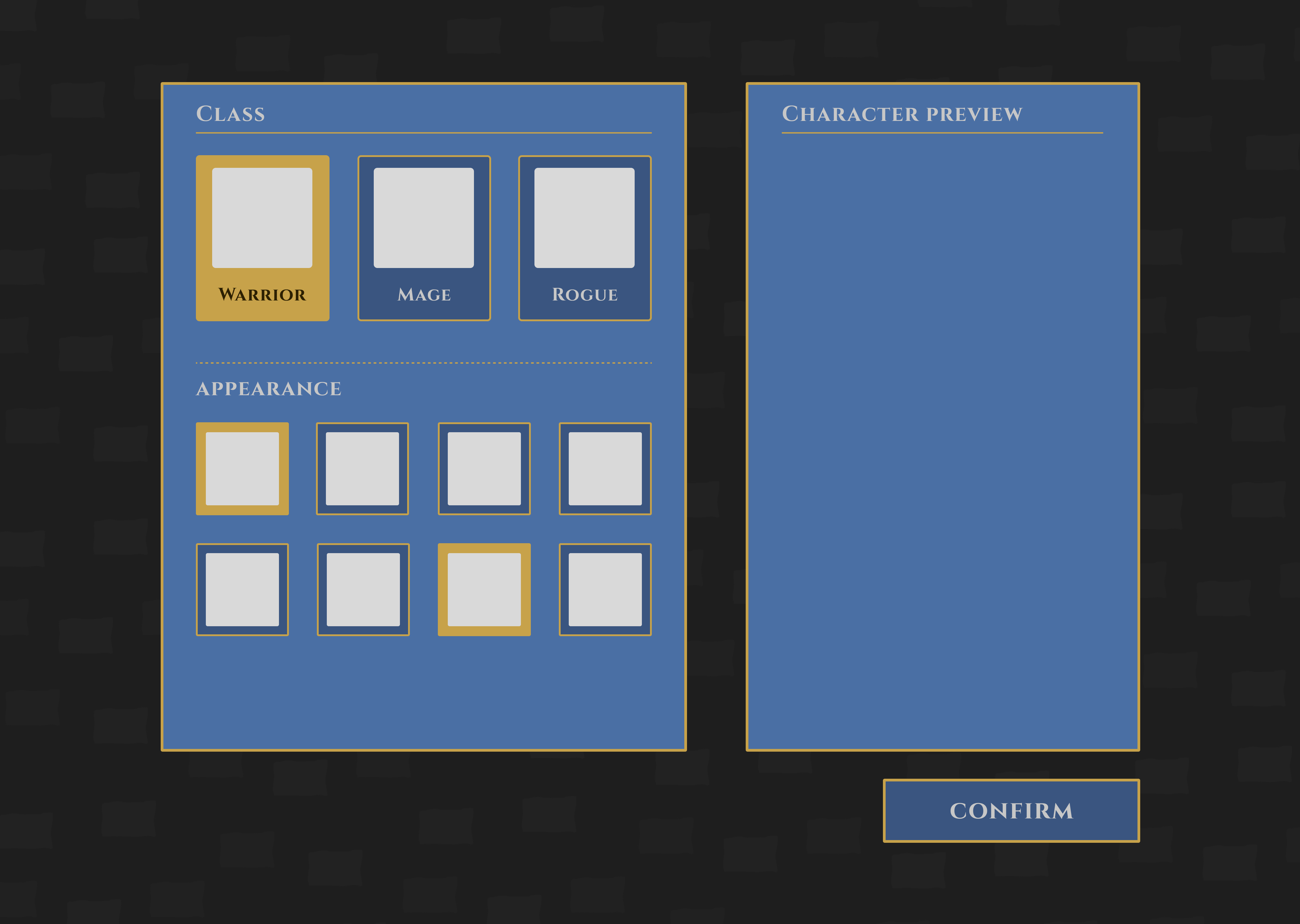
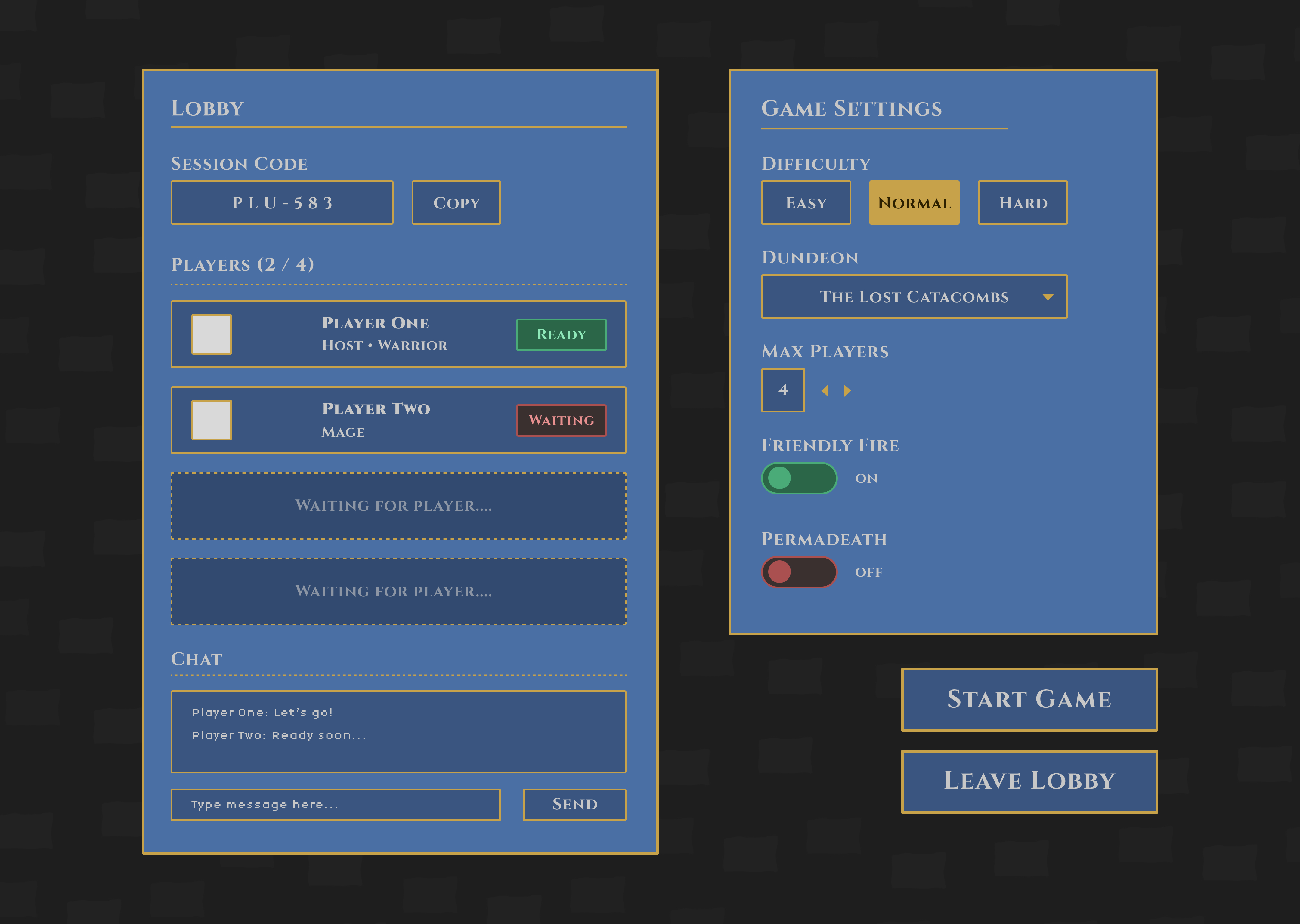
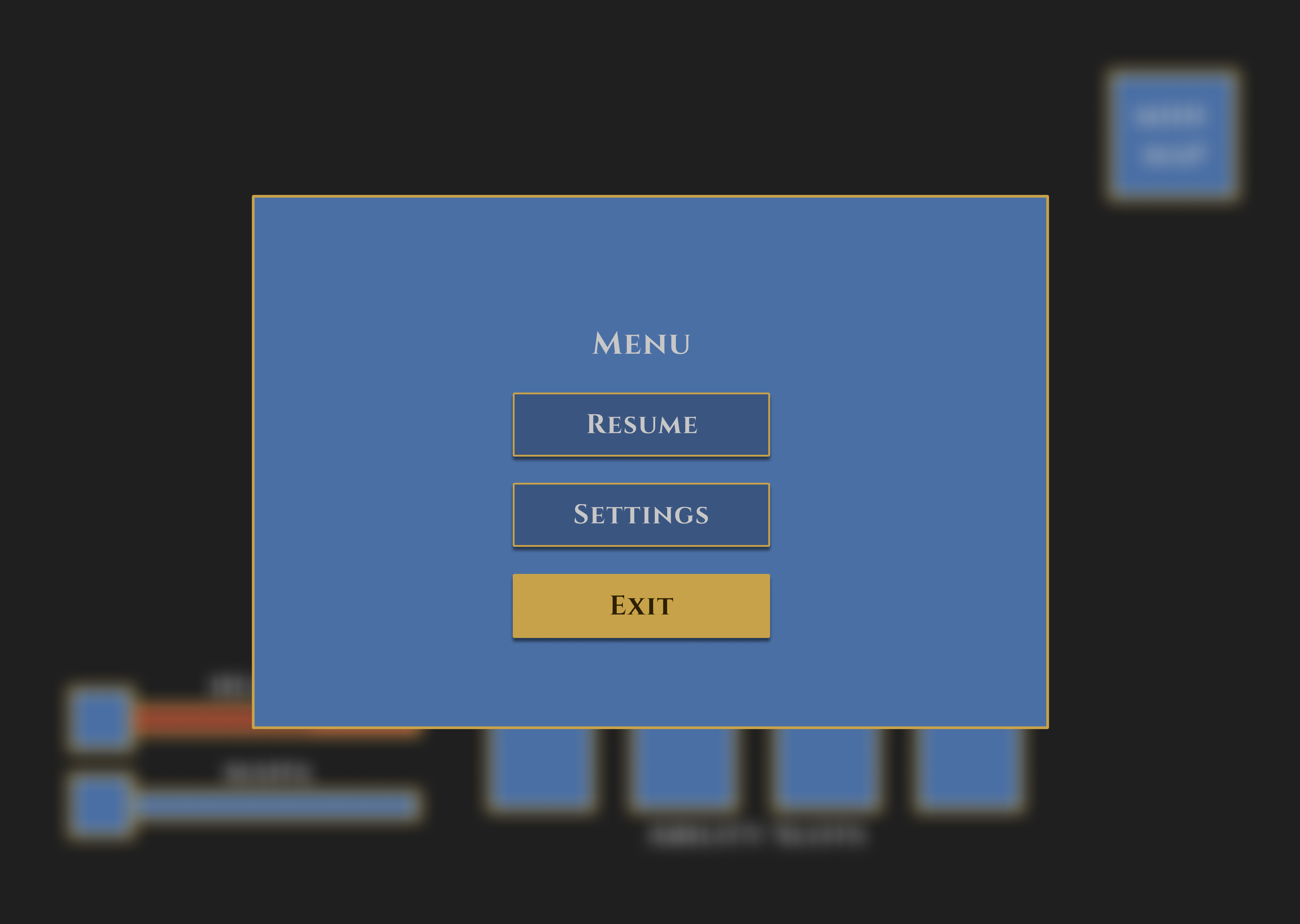
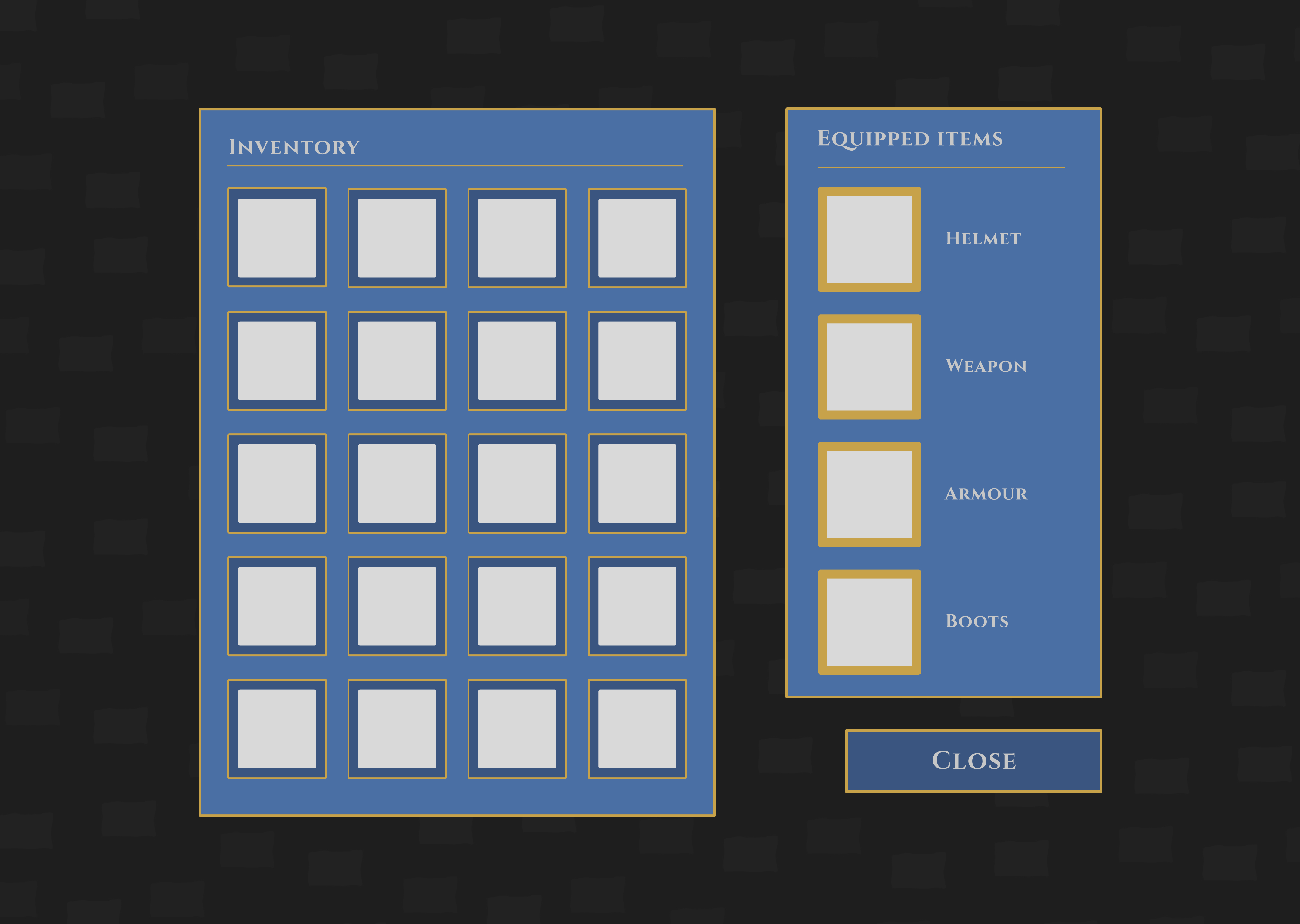
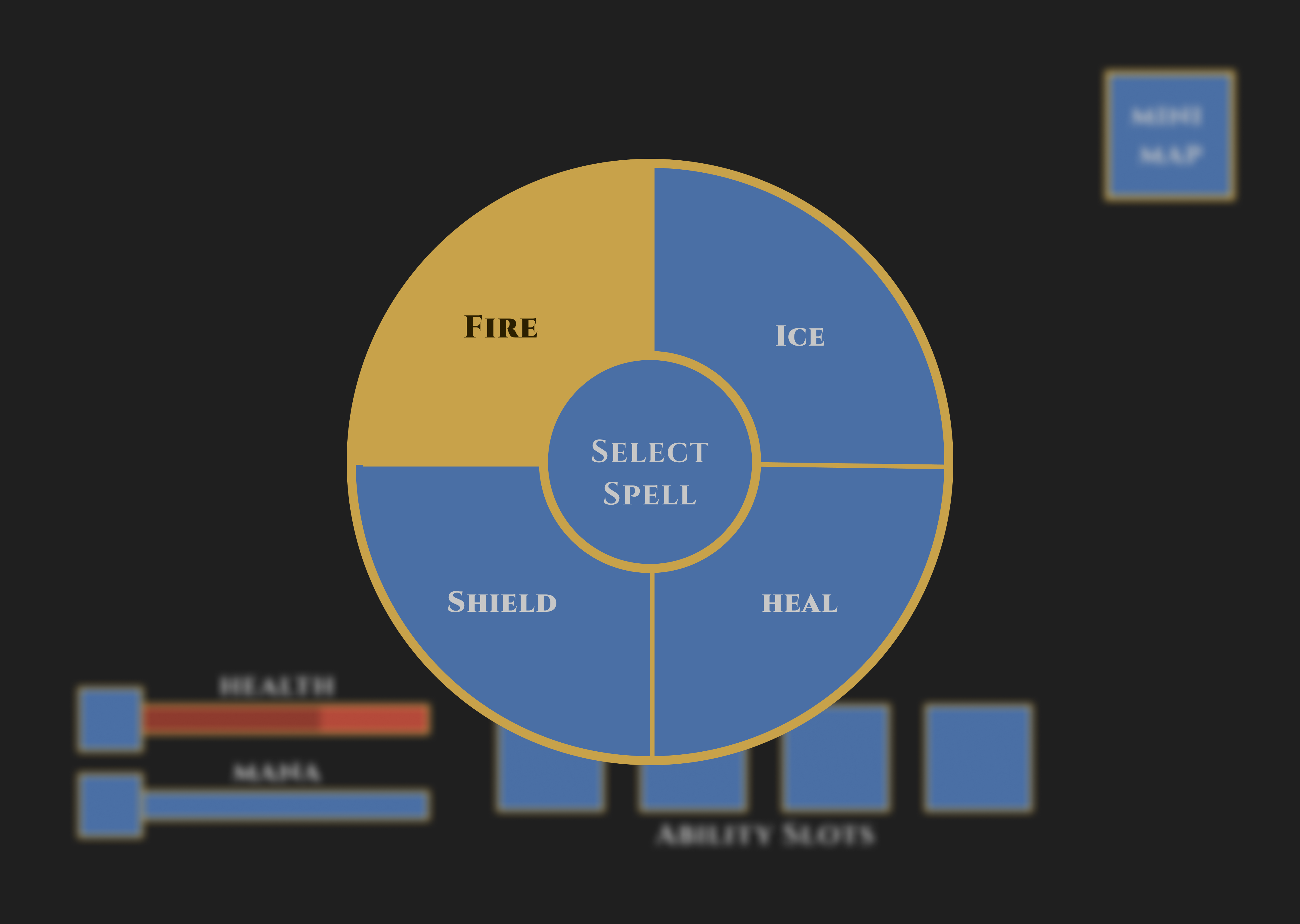
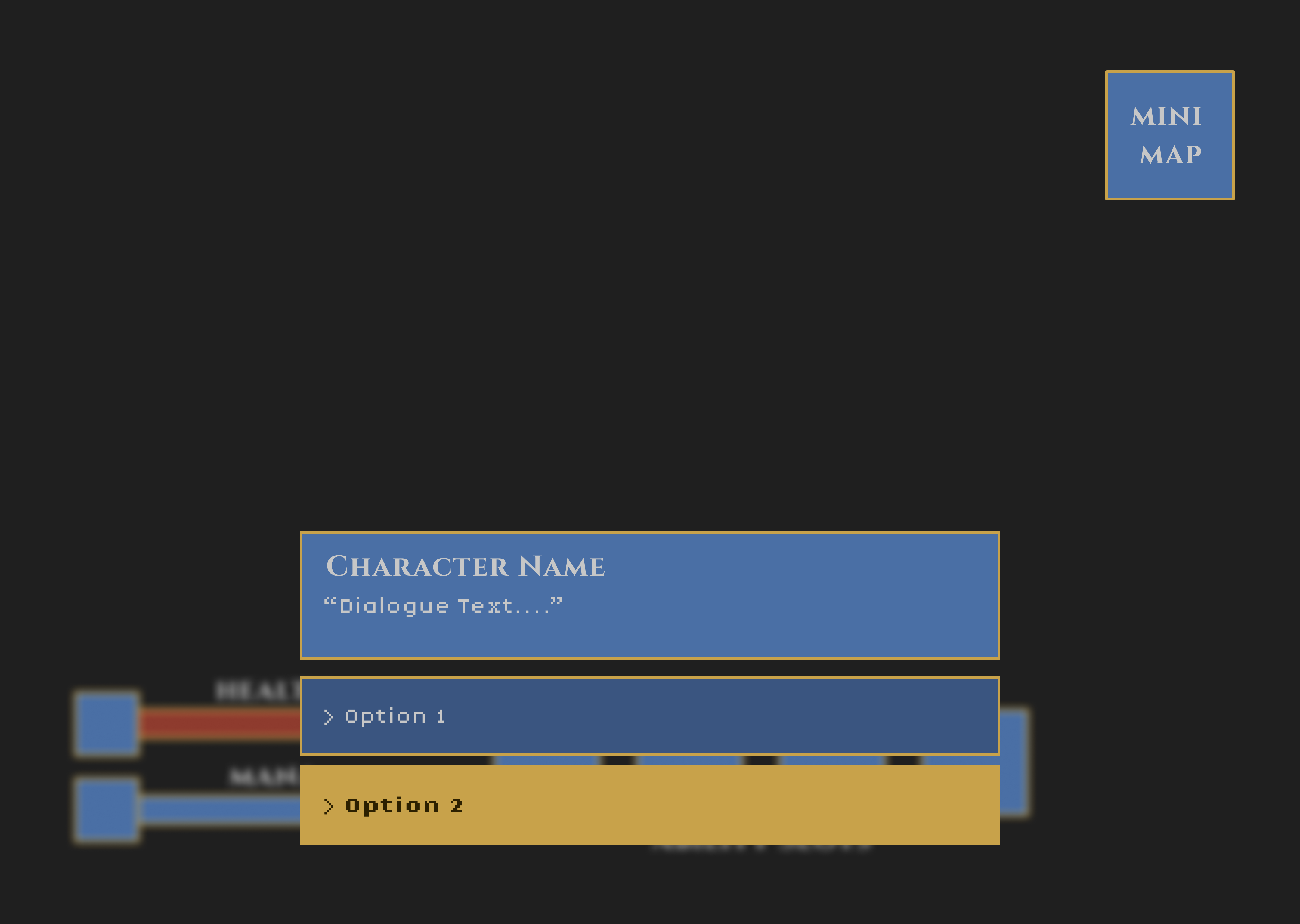
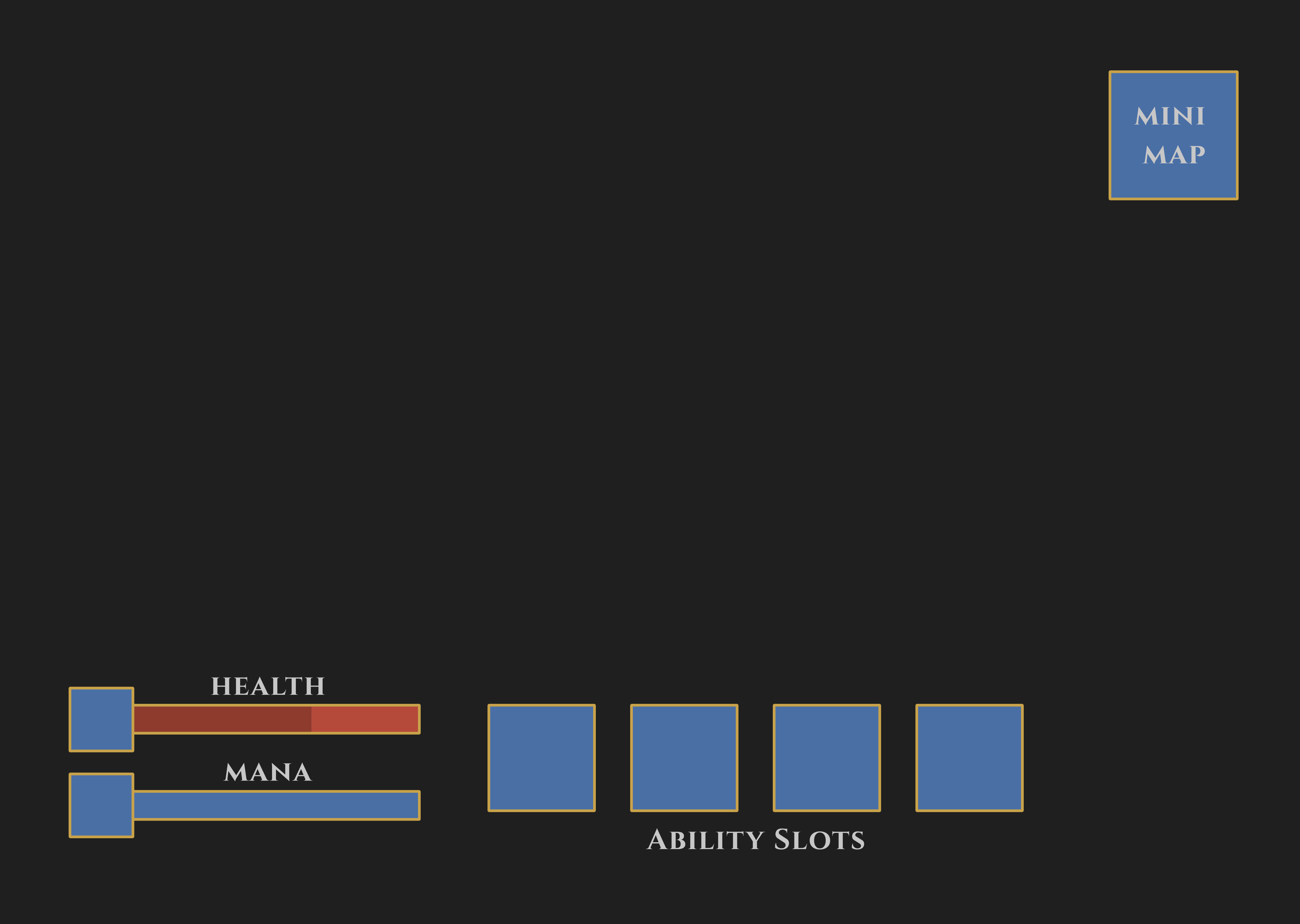
The final interface system was designed in Figma using a consistent design system that unified typography, colour, spacing, borders, and interaction states across every screen. During development, the project scope expanded to include a multiplayer lobby system, requiring the player flow, wireframes, timeline, and project documentation to be updated while remaining within the fixed project constraints.
outcome
The final deliverables included the title screen, character creation, gameplay HUD, inventory system, dialogue interface, menu system, multiplayer lobby, supporting player flow, and project documentation.
Beyond the interface designs themselves, the project strengthened my ability to manage stakeholder feedback, adapt to changing project scope, and communicate progress through structured documentation and client reporting.
reflection
This project reinforced that successful UX design extends beyond creating interfaces. Managing feedback, documenting design decisions, and adapting to changing requirements were equally important in delivering a cohesive outcome. Looking ahead, I would introduce earlier review checkpoints to reduce delays caused by outstanding feedback and maintain project momentum throughout the design process.